

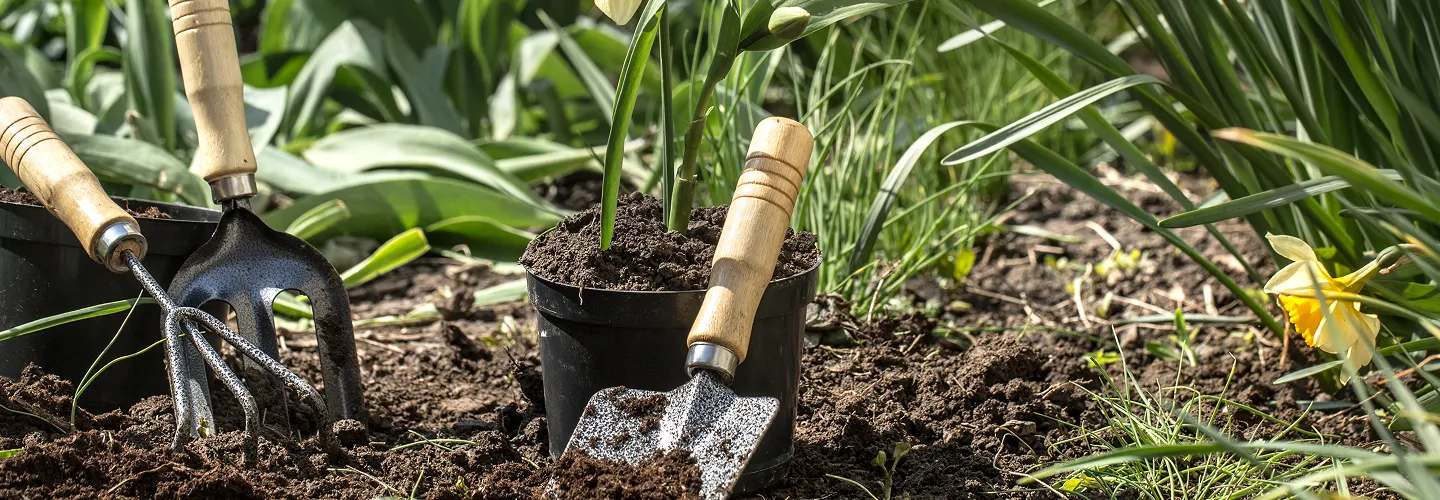
Dover Flower Bed Maintenance Services
Choose our Flower Bed Maintenance for expert care, healthy blooms, and a beautiful landscape that enhances your home's curb appeal—season after season.
Get a Free QuoteWhen to Schedule Flower Bed Maintenance in Dover, Massachusetts – Seasonal Guide
In Dover, Massachusetts, the timing of flower bed maintenance is closely tied to the region’s unique climate and landscape. With cold winters and warm, humid summers, the optimal periods for maintenance are early spring—after the last frost but before rapid plant growth—and late fall, once perennials have finished blooming and before the ground freezes. Neighborhoods near Noanet Woodlands and along Centre Street often experience microclimates due to varying tree cover and elevation, which can affect soil temperature and moisture retention.
Local factors such as the risk of late spring frosts, summer droughts, and the prevalence of shade from mature trees in areas like Powisset Street all play a role in determining the best maintenance schedule. Soil in Dover tends to be loamy with occasional rocky patches, requiring tailored approaches for mulching and fertilization. For more information on local weather patterns and municipal guidelines, visit the Town of Sudbury’s official site.
Local Factors to Consider for Flower Bed Maintenance in Dover
- Tree density and shade coverage, especially in wooded neighborhoods
- Terrain and soil type, including rocky or loamy soils
- Average precipitation and risk of summer drought
- Frost dates and seasonal temperature swings
- Municipal restrictions on water usage or landscaping practices
Benefits of Flower Bed Maintenance in Dover
Enhanced Curb Appeal
Weed and Pest Prevention
Healthier Plant Growth
Seasonal Color Management
Professional Expertise
Time and Effort Savings
Dover Flower Bed Maintenance Types

Seasonal Mulching
-
Weed Control
-
Soil Amendment
-
Pruning and Deadheading
-
Fertilization
-
Edging and Border Maintenance
-
Pest and Disease Management
Our Flower Bed Maintenance Process
Site Evaluation
Weed Removal
Soil Preparation
Plant Care
Mulching
Why Choose Dover Landscape Services
-
Dover Homeowners Trust Us
-
Expert Lawn Maintenance
-
Reliable Seasonal Cleanup
-
Competitive Pricing
-
Professional Team
-
Satisfaction Guarantee
-
Personalized Service
Contact Dover's Department of Public Works for Garden Debris Disposal & Municipal Composting Programs
Proper garden debris management in Dover is essential for both environmental health and compliance with local regulations. From April through November, residents must use biodegradable paper bags for seasonal yard waste collection—plastic bags are not permitted per MassDEP guidelines. Pruned branches should be bundled with biodegradable twine, with each bundle not exceeding 4-foot lengths and 50 lbs in weight. Healthy plant material, such as annual removals and perennial divisions, is accepted for municipal composting, while diseased material (e.g., powdery mildew, blight, rust) must be bagged and sent to landfill to prevent contamination. Invasive species like buckthorn and garlic mustard require special containment and certified disposal. The Transfer Station operates with specific hours and permit requirements, including contractor fees, and coordinates on-site composting. Finished municipal compost, typically analyzed at 1-1-1, is available for soil amendment in spring and fall, with bulk delivery options for large projects. For fire safety, maintain mulch setbacks of 3-5 feet from structures, use hardwood mulch, and keep mulch moist during drought. Coordination with municipal services ensures safe and sustainable garden waste management.
Dover Highway Department
2 Dedham Street, Dover, MA 02030
Phone: (508) 785-0058
Official Website: Dover Highway Department(https://www.doverma.gov/183/Highway-Department)
Professional Soil Assessment & Amendment Requirements for Dover's Glacial Till & Rocky Soils
Dover's soils are predominantly glacial till and rocky, often characterized by poor drainage, high clay content, and acidic pH (5.5-6.5). Professional soil testing is mandatory for new and renovated flower beds, with services available through the UMass Soil Lab. Testing should assess pH, nutrient levels (N/P/K), organic matter (target 4-6%, though many sites are only 2-3%), texture, and drainage. The USDA Web Soil Survey provides detailed local soil data. Amendments may include lime applications (30-50 lbs/1,000 sq ft to raise pH one unit) and organic matter incorporation (2-3 inches compost worked into the top 8-12 inches). For new beds, aim for 25-30% organic matter by volume. Raised beds (8-12 inches high) are recommended for poorly drained sites. Fall is the preferred time for lime application, allowing for winter breakdown. Address site-specific issues such as lead contamination near older structures and salt damage from winter de-icing with appropriate remediation.
Dover Conservation Commission Guidelines for Flower Bed Maintenance Near Protected Areas
Gardening near wetlands and protected areas in Dover requires strict adherence to the Wetlands Protection Act and local bylaws. Permits (NOI or RDA) are needed for work within 10-25 feet of wetlands or streams, with seasonal restrictions during wildlife breeding (April-Aug). Protect existing tree root systems by avoiding cultivation within the drip line, as 80% of roots are in the top 12 inches. Use organic and low-impact practices, and prioritize native, pollinator-friendly plants such as New England aster, black-eyed Susan, bee balm, coneflower, Joe-Pye weed, and native milkweeds. Delay perennial cutbacks until spring to protect overwintering insects. Mulch flower beds with 2-4 inches of organic material to control runoff and erosion, and use silt fencing on slopes during renovations. Coordinate with municipal pollinator initiatives and MS4 stormwater programs for best practices.
Dover Conservation Commission
5 Springdale Avenue, Dover, MA 02030
Phone: (508) 785-0032
Official Website: Dover Conservation Commission(https://doverma.gov/211/Conservation-Commission)
Integrated Pest Management & Plant Health Care Standards for Dover's Climate Zone 6a
Dover's climate (Zone 6a) supports a range of ornamental plants but also presents pest and disease challenges. Integrated Pest Management (IPM) emphasizes cultural controls—selecting disease-resistant plants, proper spacing (12-18 inches), and sanitation (removing debris and deadheading). Mechanical controls include hand-weeding and using row covers, while biological controls encourage beneficial insects like ladybugs. Chemical controls are a last resort, with organic options preferred. Common local pests include Japanese beetles (June-July), slugs (moist soils), powdery mildew (late summer), aphids, and deer browsing. All chemical applications must comply with MA Dept Agricultural Resources licensing, notification, and record-keeping requirements, including a 12-24 hours re-entry interval. Sanitize tools with 70% isopropyl alcohol or 10% bleach solution for 30 seconds. Dispose of diseased material in sealed bags to landfill and quarantine suspect plants to prevent spread.
Seasonal Maintenance Calendar & Weather Coordination for Dover's Growing Conditions
Dover's gardening calendar is shaped by its USDA Zone 5b-7a climate, with guidance from the NWS Boston/Norton. Spring (April-May) begins after the last frost (mid-May), with soil preparation, perennial cleanup, and bulb deadheading. Summer (June-August) brings mild to warm temperatures (70-85°F), requiring careful irrigation, pest monitoring, and heat stress management. Fall (September-October) is optimal for dividing spring bloomers and planting bulbs (October-November before ground freeze). Winter (November-March) is cold (10-30°F), so apply protective mulch after the ground freezes and plan for the next season. Weather-responsive practices include deep mulching, early morning watering (5-7 AM, 1-1.5 inches weekly), and storm damage assessment after Nor'easters. Planting timing is critical: spring bulbs go in during fall, summer annuals after May 15, and perennials are best divided in spring or fall.
Dover Water Department Coordination for Efficient Irrigation & Conservation Compliance
Efficient irrigation is vital for healthy gardens and water conservation in Dover. The Water Department enforces seasonal restrictions, often requiring odd/even watering schedules from May-Sept during dry periods. Drip irrigation is preferred for flower beds, reducing evaporation and disease risk. Install and maintain rain sensors, and follow drought protocols as needed. Monitor soil moisture—glacial till and clay soils retain water but drain slowly, while sandy soils dry quickly. Mulch beds with 2-4 inches of organic material to reduce evaporation by 50%. Group plants by water needs (hydrozoning) and water deeply but infrequently (1-1.5 inches/week). Early morning irrigation (5:00-9:00 AM) is optimal. New plantings may be hand-watered for the first 30 days. Rainwater harvesting (barrels 50-100 gallons) is encouraged where permitted. Irrigation systems require permits and annual backflow prevention device testing.
Dover Water Resource Information
5 Springdale Avenue, Dover, MA 02030
Phone: (508) 785-0032
Official Website: Dover Water Resource Information(https://www.doverma.gov/567/Dover-Water-Resource-Information)
Professional Plant Selection, Installation & Replacement Standards for Sustainable Gardens
Selecting the right plants for Dover's gardens involves matching species to site conditions—sun/shade (6+ hours for full sun, 2-4 hours part shade, <2 hours shade), soil pH (5.5-6.5), and drainage. Choose hardy species for Zone 5b-7a (cold to -15 to -20°F, heat to 85°F+), prioritizing MA natives like New England aster, black-eyed Susan (Rudbeckia), bee balm (Monarda), purple coneflower (Echinacea), and butterfly weed (Asclepias tuberosa). Use disease- and deer-resistant varieties. Plant at the correct depth (crown at or slightly above soil), especially in clay or glacial till. Amend soil with a 50% native/50% compost mix, water thoroughly at planting, and mulch immediately (2-4 inches, with 2-3 inch clearance from stems). Space perennials 12-18 inches apart for air circulation. Spring (late April-May) and early fall (September-early October) are optimal planting times, avoiding heat waves and saturated soils. Use nursery-grown, disease-free plants (#1 or #2 containers), and follow establishment care protocols (2-3 times weekly watering initially, then weekly for the first season).
Stormwater Management & Pollinator Protection in Compliance with Dover's Environmental Initiatives
Dover's gardens play a role in stormwater management and pollinator protection, aligning with MassDEP Stormwater Standards and Clean Water Act requirements. Prevent fertilizer and pesticide runoff by applying products based on soil tests, using slow-release formulations, and avoiding applications before heavy rain. Incorporate organic matter to improve water retention and reduce runoff by 20-30%. Mulch beds with 2-4 inches to prevent erosion. Native plantings support pollinators and wildlife, providing food and shelter for bees, butterflies, and songbirds. Leave perennial stalks through winter for overwintering insects. Coordinate with municipal pollinator initiatives and MA Audubon for habitat integration. Gardens also contribute to carbon sequestration, air quality improvement, and urban heat island mitigation, supporting Dover's sustainability goals.
Dover Town Engineer
5 Springdale Avenue, Dover, MA 02030
Phone: (508) 785-0032
Official Website: Dover Town Engineer(https://www.doverma.gov/252/Town-Engineer)
Municipal Coordination for Public Garden Maintenance & Community Beautification Programs
Dover's Parks & Recreation Department oversees the maintenance of municipal flower beds, public spaces, and seasonal displays. Community involvement is encouraged through volunteer programs, such as Master Gardener initiatives coordinated with UMass Extension, and plant donation drives. Educational workshops cover topics like deadheading, mulching, and sustainable gardening. The department also supports community gardens, coordinates with local garden clubs, and integrates environmental education into school programs. Public safety is prioritized by selecting non-toxic plants for areas frequented by children and pets, and by scheduling maintenance to minimize disruption during peak park use or special events. Demonstration gardens and interpretive signage promote sustainable practices and native plant awareness.
Dover Parks & Recreation Department
3 Springdale Avenue, Dover, MA 02030
Phone: (508) 785-0476
Official Website: Dover Parks & Recreation Department(https://www.doverma.gov/348/Parks-Recreation)
What Neighborhoods Do We Serve Throughout Dover, MA?
Dover encompasses a variety of neighborhoods, each with unique microclimates and environmental considerations. Historic districts feature mature tree canopies, providing 30-50% shade and cooler microclimates, while newer developments offer full sun and faster-draining soils. Proximity to wetlands or conservation areas may require additional coordination with the Conservation Commission. Soil types vary from glacial till (poor drainage) to sandy outwash (fast drainage) and rocky shallow soils (limited depth). Urban areas may have lead contamination near older structures, while new developments can contain construction debris. Irrigation infrastructure, equipment access, and utility conflicts (coordinate with Dig Safe 811) differ by area. Community standards range from manicured landscapes to naturalized native plantings, with some neighborhoods subject to HOA or Historic District guidelines. Maintenance logistics, such as waste disposal and equipment storage, are influenced by street width, parking bans, and proximity to the Transfer Station.
Dover Municipal Ordinances for Garden Maintenance Equipment Operation & Commercial Service Standards
Dover regulates garden maintenance equipment operation to minimize noise and ensure public safety. Permitted hours are typically 7:00 AM-7:00 PM on weekdays and 8:00 AM-6:00 PM on Saturdays, with Sunday and holiday restrictions (often before 9:00 AM or prohibited). Commercial landscapers must be licensed and registered with the Town, with Home Improvement Contractor registration required for contracts >$1,000. Insurance minimums include 1M general liability and workers compensation. Safety protocols mandate traffic control for right-of-way work, equipment calibration, and public notification where required. Environmental compliance includes proper material handling, immediate cleanup of spills, and documentation of waste disposal. Herbicide and pesticide use must comply with state licensing, posting, and buffer zone requirements, especially near water bodies. For irrigation or bed installation, coordinate with the Building Department for permits and inspections.
Dover Building Department
5 Springdale Avenue, Dover, MA 02030
Phone: (508) 785-0036
Official Website: Dover Building Department(https://www.doverma.gov/178/Building-Department)